
How New Runners Can Start Without Getting Hurt
Welcome to Just Like 2 Run! If you’re new to running—or returning after a long break—you’re in the right place. Our goal isn’t speed or medals; it’s helping everyday runners build strength, confidence, and consistency without injury.
🩹 Why Beginners Get Hurt (and How to Avoid It)
Most running injuries come from doing too much, too soon. New runners often push harder than their bodies are ready for, leading to sore knees, tight calves, or shin splints. The good news: these are preventable with smart habits and gradual progress.
🏃♀️ Proven Injury‑Prevention Techniques
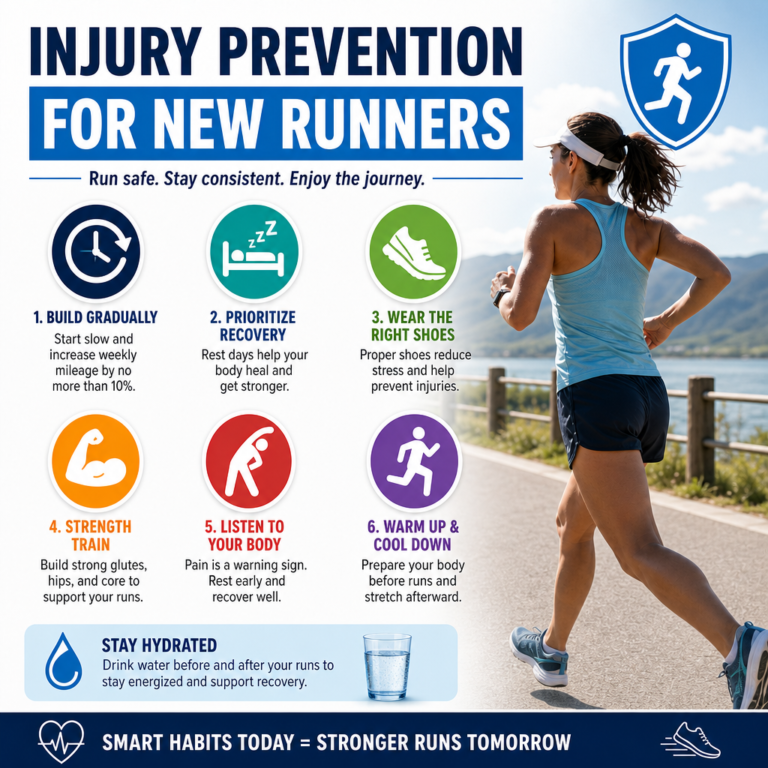
🕐 1. Slow Down and Build Gradually
Your body needs time to adapt to impact. Start with short, easy runs or run/walk intervals. Rule of thumb: increase total weekly mileage by no more than 10%.
🧘 2. Respect Recovery
Rest days aren’t optional—they’re when your muscles repair and get stronger. Take at least one day off between runs and use active recovery like walking or gentle stretching.
👟 3. Choose the Right Shoes
Visit a local running store for a gait analysis. Proper shoes reduce stress on joints and help prevent common injuries like plantar fasciitis or IT band pain.
💪 4. Strength Train Twice a Week
Strong glutes, hips, and core stabilize your stride. Include simple moves such as:
-
Glute bridges
-
Squats
-
Calf raises
-
Planks
🧊 5. Listen to Your Body
Mild soreness is normal; sharp pain is a warning. If something hurts, stop and rest. Ignoring pain early often leads to longer recovery later.
🌡️ 6. Warm Up and Cool Down
Start each run with 5 minutes of brisk walking or dynamic stretches. Afterward, cool down with light movement and gentle stretching to maintain flexibility.
📅 Sample Safe Start Plan
3‑Day Weekly Routine
| Day | Activity |
|---|---|
| Day 1 | Run 1–2 minutes / walk 2 minutes × 8 |
| Day 2 | Rest or light cross‑training |
| Day 3 | Repeat Day 1 |
| Day 4 | Rest |
| Day 5 | Optional easy walk or yoga |
👉 Increase gradually as your body adapts.
💡 Quick Reminders
-
Hydrate before and after runs
-
Avoid hills and speed work early on
-
Progress is measured in weeks, not days
🏁 Final Thoughts
Running safely isn’t about perfection—it’s about patience. Slow progress builds strong runners. If you listen to your body, rest well, and stay consistent, you’ll not only avoid injury but enjoy running for years to come.